
We’re in a remarkable moment for marketing and business.
AI tools are everywhere. They promise faster ideas, smarter outputs, and the ability to do more with less. And in many ways, they deliver. What once took days can now take minutes. What once required specialists is now accessible to almost anyone.
But beneath all that progress, there’s a quieter question worth asking:
Are we actually becoming more creative… or just more occupied?
The trap of “more tools”
It starts with good intention.
You try one tool. Then another. Then a better one. Then one that promises slightly different results. Before long, you’re comparing outputs, refining prompts, testing variations… and suddenly a lot of time has passed. And the original question — What are we trying to say, and who are we trying to reach? — gets a little lost. It’s not that the tools are the problem. It’s how easily they shift our focus.
Instead of solving the challenge, we start exploring the possibilities. And while exploration has its place, it can quietly pull us away from what really matters: creating something clear, purposeful, and effective.
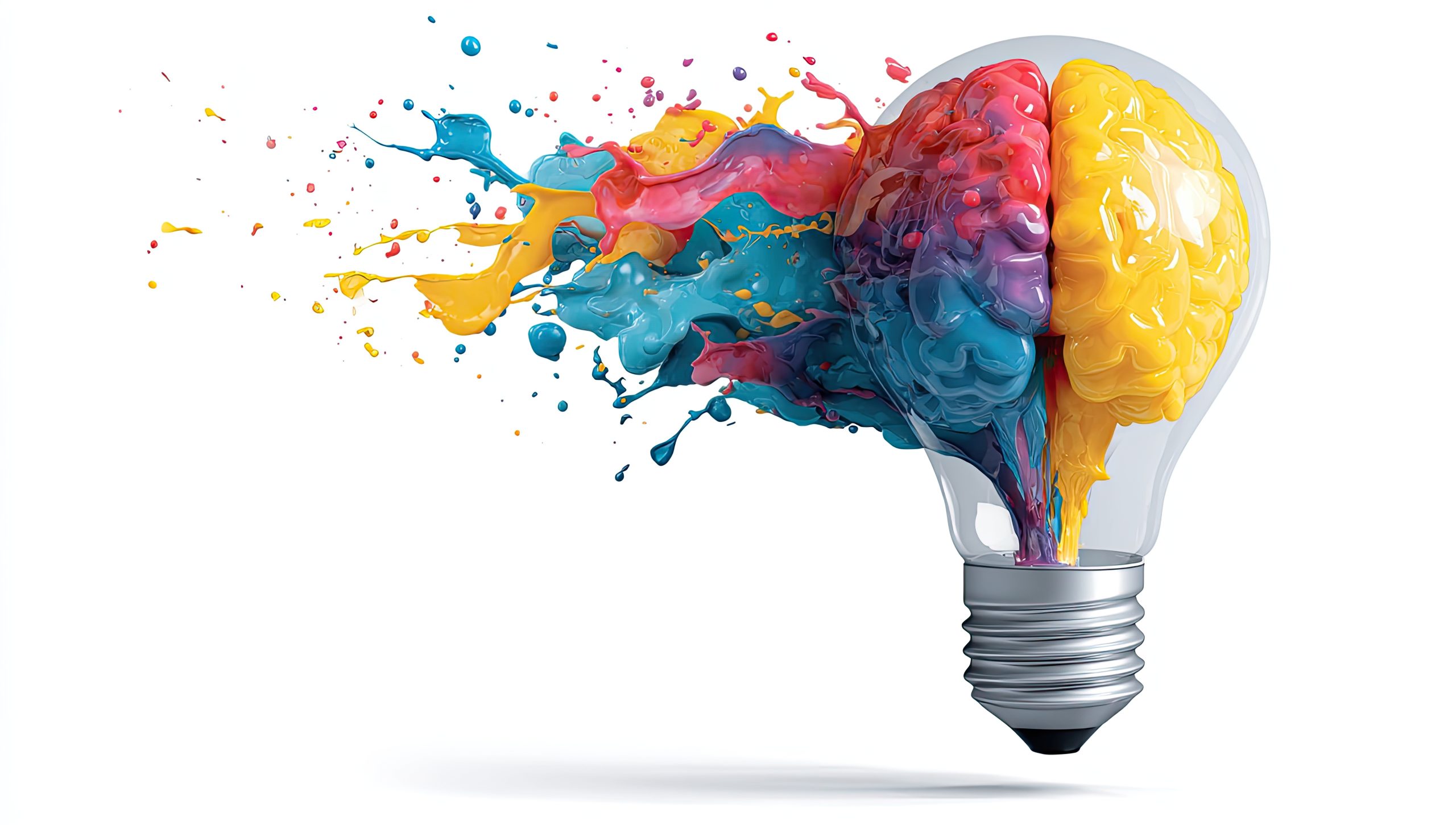
Creativity has never been about volume
AI can generate hundreds of ideas in seconds. But creativity has never been about how many ideas you can produce. It’s about finding the right one.
The idea that:
- Connects with your audience
- Reflects your brand truthfully
- And supports real business outcomes
That still takes thinking. It still takes experience. And it still takes understanding people. Because at its core, marketing isn’t about content. It’s about communication.
The value of experience in an AI world
This is where experience becomes even more valuable. AI can assist with structure, speed, and scale. But it doesn’t replace judgement.
It doesn’t sit in front of a client and understand their concerns. It doesn’t truly grasp the nuances of a market. And it doesn’t always know when something feels right. That’s still human.
The best outcomes we’re seeing today come from a blend of both: Clear thinking and strategic grounding. Supported by AI where it genuinely adds value. Not the other way around.
From tool-first to idea-first
A simple shift can make a big difference:
Start with the idea — not the tool. Before opening any platform, take a moment to ask:
- What are we trying to achieve?
- Who is this for?
- What do they need to hear?
Once that’s clear, AI becomes incredibly useful. It helps shape, refine, and accelerate the journey. But it’s no longer leading it.
Using AI with intention
AI isn’t going anywhere — and that’s a good thing.
Used well, it can:
- Free up time
- Improve consistency
- Help bring ideas to life more efficiently
But like any tool, its value comes from how it’s used. Not every problem needs a new platform. Not every idea needs ten variations. Sometimes, the strongest work comes from slowing things down, focusing on the message, and keeping things simple.
A more balanced approach
So perhaps the conversation isn’t about whether AI is good or bad for creativity. It’s about balance.
Using technology to support creativity — not replace it. Staying curious about what’s possible — without losing sight of what works. And remembering that behind every tool, every output, and every campaign… there’s still a person we’re trying to connect with.
Final thought
The businesses that will benefit most from AI won’t be the ones using the most tools.
They’ll be the ones who:
- Stay clear on their message
- Understand their audience deeply
- And use AI with purpose, not distraction
Because in the end, creativity isn’t defined by the tools we use.
It’s defined by the impact we create.